
Google Celebrates MGRU – The Internet’s World-Wide Fundraising Phenomenon
September 14, 2025
From Research To Reporting: Strengthening Your Grant Cycle
September 23, 2025Nonprofits and the Assassination of Charlie Kirk
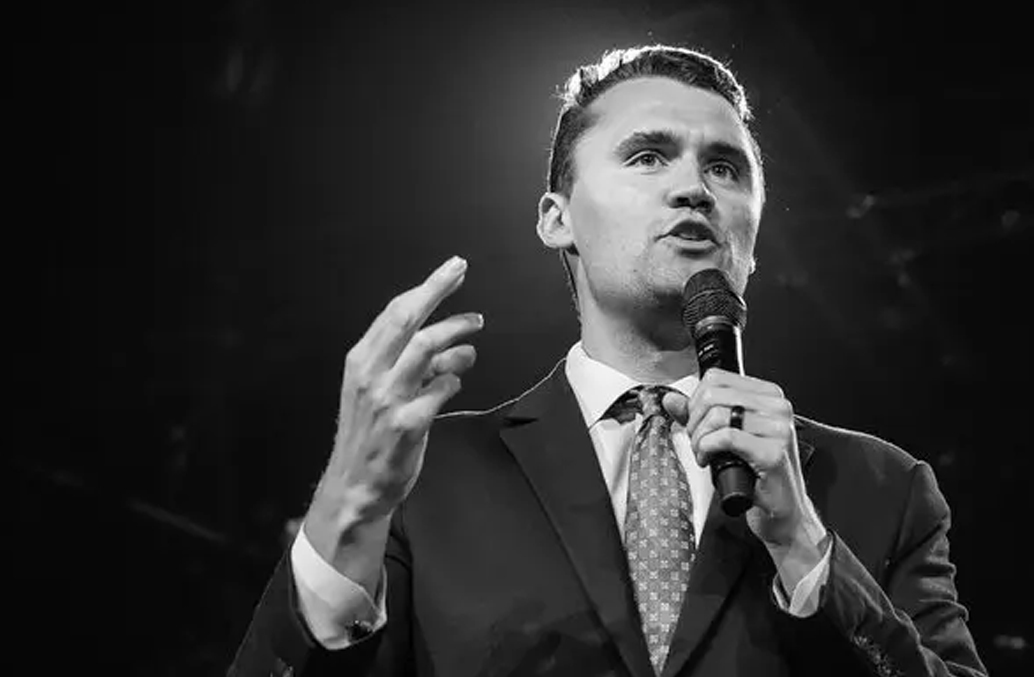
The death of Charlie Kirk has shaken the public square in ways few could have imagined. His life was cut short, and instead of universal mourning, we’ve witnessed a grotesque chorus of voices celebrating his murder. In times like this, nonprofit leaders cannot remain silent. The very sectors dedicated to healing, service, and justice must rise to confront hatred with moral clarity.
Charlie Kirk was more than a political commentator—he was a nonprofit leader who built one of the largest student organizations in the nation. His work created spaces for young people to engage, debate, and wrestle with ideas. Whether you agreed with him or not, Charlie Kirk made an undeniable mark on the nonprofit sector.
Charlie Kirk was also a man of faith. He spoke often about his Christian convictions and the way they informed his vision for the future. For many, he became a symbol of boldness and conviction. For others, he was a voice they resisted. But no one could ignore him. His influence stretched far beyond political boundaries, into the very fabric of charitable life in America.
And now, in the wake of his murder, we face a chilling reality: instead of universal mourning, hateful rhetoric has filled the public square. People have celebrated Charlie Kirk’s death online. They have mocked his life and dismissed his humanity. This grotesque display of cruelty threatens to erode the moral foundation upon which civil society is built.
This is why nonprofit leaders must respond. If organizations devoted to compassion and service cannot rise in this moment, then who will? Here are five things nonprofit leaders must do in light of Charlie Kirk’s death.
1. Name the Evil Clearly
Charlie Kirk’s murder—and the public celebration of it—is evil. Leaders cannot remain neutral in the face of such depravity. This is not about partisanship. It is about human dignity.
Charlie Kirk dedicated his life to advancing what he believed was good for his country. To gloat over his death is to degrade our shared humanity. Nonprofit CEOs and boards must issue statements, write with conviction, and speak with moral authority: celebrating murder is wrong. Period.
Your staff, donors, and communities are watching. They want to see whether you have the courage to call evil by its name. Silence in this moment is not neutrality; it is complicity.
2. Protect and Reaffirm Your Mission
Charlie Kirk understood that building a nonprofit required clarity of mission. Turning Point USA was not confused about what it was or who it served. That clarity propelled its growth into a movement.
Nonprofit leaders must follow this example. When public discourse becomes poisoned by hatred, organizations can lose focus. Leaders must anchor themselves in mission. Say to your staff and supporters: “We will not be distracted by hate. We will remain steadfast in our service.”
Charlie Kirk’s death should remind every leader that a mission must be stronger than the noise around it. Protect it. Reaffirm it. Lead with it.
3. Care for Your Team and Community
The vitriol following Charlie Kirk’s death affects people differently. Some of your staff may have admired him deeply. Others may not have agreed with him. But all of them are impacted by the climate of division and fear.
Leaders must care for their people. Gather your staff. Acknowledge the grief, confusion, or anger they feel. Provide resources for mental health. Model empathy in every interaction. Remind them that your nonprofit is a place where dignity is preserved and hate finds no home.
Extend this care to your wider community. Create forums for dialogue. Offer counseling. Demonstrate that nonprofits are sanctuaries of compassion even in the darkest times.
Charlie Kirk believed that young people needed safe spaces to learn and engage. Nonprofits should honor that legacy by providing safe spaces for communities shaken by violence and hatred.
4. Elevate Civil Discourse
Charlie Kirk was a polarizing figure. He provoked debate, disagreement, and at times outrage. But disagreement is never a license for violence. Nonprofits must model a better way.
When rhetoric becomes destructive, leaders must show what civil discourse looks like. Write op-eds. Participate in panels. Host community discussions. Teach your staff and volunteers that it is possible to disagree without dehumanizing.
Charlie Kirk himself often said that the free exchange of ideas was essential to a free society. In his honor, nonprofits must demonstrate that ideas can be debated with vigor while preserving the dignity of every person.
5. Mobilize for Good
Charlie Kirk’s murder must not leave us paralyzed. Instead, we must act. Nonprofits should launch campaigns, coalitions, and programs that confront hate and reaffirm life.
This could mean campaigns against online bullying and hate speech. It could mean community-wide service projects dedicated to unity. It could mean fundraising for causes that heal divides.
Charlie Kirk believed in mobilization. He built one of the fastest-growing nonprofits in America by rallying people to action. Nonprofit leaders should follow suit—take the grief and outrage of this moment and turn it into constructive service that restores trust in our shared humanity.
A Final Word
Charlie Kirk’s death is heartbreaking. That anyone would celebrate it is horrifying. Yet this tragedy also creates a moment of truth for nonprofit leaders.
We must name the evil. We must protect our missions. We must care for our people. We must elevate discourse. We must mobilize for good.
Charlie Kirk was more than a political voice. He was a nonprofit founder, a man of faith, and a leader who believed in the power of conviction. His life and his work deserve respect, even from those who disagreed with him.
If the charitable sector cannot take a stand against the celebration of murder, then we abandon our calling. But if we rise together, Charlie Kirk’s death can become a turning point—a moment when nonprofits proved again that compassion and courage can overcome hatred and cruelty.
Charlie Kirk’s legacy challenges us to lead. Let us not shrink back.
Nonprofits and the Assassination of Charlie Kirk was first posted at Inside Charity
For more articles like Nonprofits and the Assassination of Charlie Kirk VISIT HERE

1 Comment
2 Timothy 1:7
New King James Version
“For God has not given us a spirit of fear, but of power and of love and of a sound mind.”